
a vindication of the rights of strong pregnant women

I missed this December 2024 study published in the British Journal of Sports Medicine because it was published just as I was having my first baby, but it’s a slam dunk for all the things I suspected to be true about strength training and pregnancy—the study results showed that heavy lifting is fine, the Valsalva maneuver is fine (that is to say, of the metrics measured, these activities did not have a measurable negative impact on the fetuses in question). Hooray!
Specifically, the study took ten pregnant women and ten non-pregnant women, found their 10-rep max weights, and had them complete sets of 10 at 70%, 80%, and 90% of their 10-rep maxes, with and without the Valsalva maneuver (using the core, diaphragm, pelvic floor to stabilize the trunk with a contained breath). Maternal heart rate, fetal heart rate, and umbilical cord blood flow all remained within normal ranges for the pregnant women and their babies.
All of the pregnant women in this study were just about at the end of their second trimester, and the sample size is small. But even as strength training has become more accepted as an activity for pregnant women, there is still a lot of fearmongering about relatively heavy weights and the use of the Valsalva maneuver; the prenatal certification I hold even recommends against it. But if the breath-holding and/or body tension of Valsalva-ing through lifting is a risk, that would mean we’d have to be also concerned about bowel movements, sneezing, and jump scares. I do not see anyone warning pregnant women away from horror movies. (Surprisingly.)
To be clear, this study does not mean that any pregnant woman in any trimester should be able to, or ought to, leap all the way into a full-on progressive-overload program for the first time. Even just for energy reasons and body-change reasons, that might not be realistic. Likewise, it’s not a good idea for anyone, including pregnant women, to haul off and try to lift a car, or carry a full-grown man to safety with zero training. But that doesn’t mean pregnant women can’t or shouldn’t strength-train, or wouldn’t get something out of strength training, when dialed in to their current level of skills and fitness.
This study does not also mean that anyone needs to push themselves beyond their energy or skill capacity. This is not supposed to be a new impossible bar to clear. I’ve never been more empathetic to the rolling waves of exhaustion of the various trimesters, and “training” has never been a more generous term for the exercise I do while pregnant. Just because one pregnant person can squat 400 pounds, does not mean that the rest of us are not entitled to daily 2-hour naps.
But just for emphasis, for the doctors/OBs/parents-in-law/passersby in the back: It is not inherently dangerous, and is in fact many ways beneficial, for a pregnant woman to lift heavy objects. To wit: It is arguably harmful for pregnant women to be warned away from strength training, when it has such protective effects during labor and childcare. The American College of Obstetricians and Gynecologists doesn’t just say that there is technically nothing wrong with lifting; as of April 2020, it specifically recommends lifting to pregnant women. Therefore, I beg you to relax when a 14-weeks-pregnant woman picks up a gallon jug.
Furthermore, lifting heavy objects is especially not dangerous for a pregnant woman who entered into pregnancy habituated to lifting heavy weights to begin with. I once picked up a maybe 25-pound folding table at 29 weeks in front of people, and they all panicked. Have we met? This is unnecessary. We are not babies, or delicate flowers; we are people.
Not unrelated: I am headed on maternity leave, and this is my last newsletter until the end of December! No new posts until then, but the archive remains open, as does the Liftcord and other subscriber perks including a free copy of LIFTOFF, and subscriptions will be on sale for this entire period—30% off yearly ($70/year) or 30% off monthly ($7/month).
If you want to reach me during this time, I’d prefer actual paper mail! Walking to the post office is one of my favorite activities while having a small baby strapped to my person. My mailbox is:
She’s A Beast
3950 Eagle Rock Blvd
Box 65221
Los Angeles, CA 90065
 Casey Johnston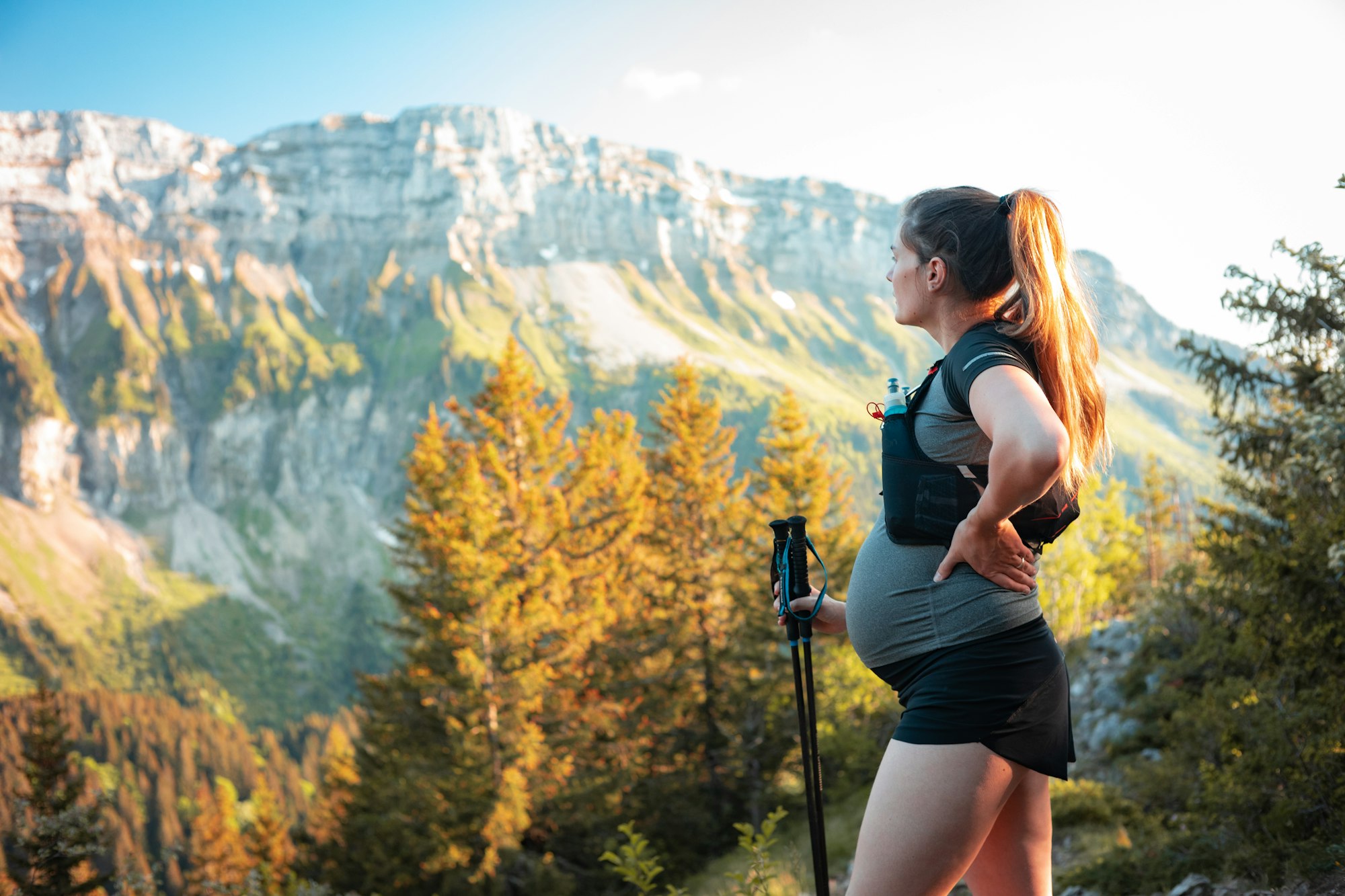
 Casey Johnston
 Casey Johnston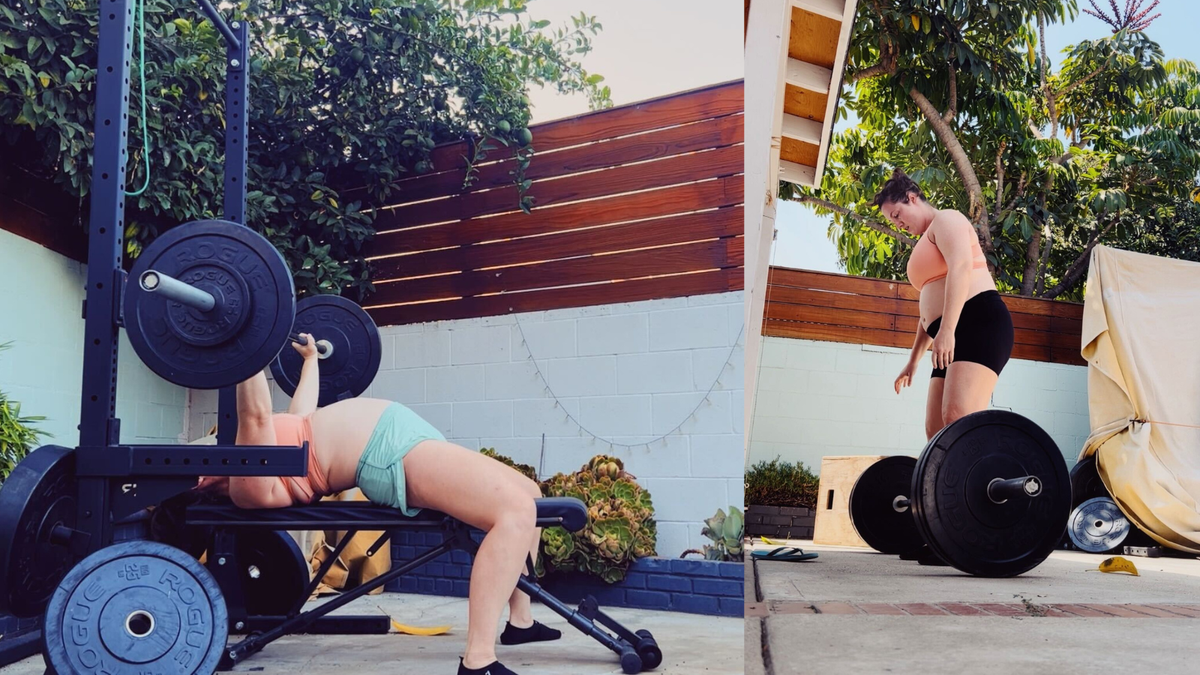
 Casey Johnston
Eat
~Liftcord Pick of the Week: Guinness World Records is in the process of validating the new record for push-ups done in one hour, set by Holly Reese, a 64-year old strength coach from Berkeley. She did 1,682 reps, or 28 pushups a minute, or nearly one pushup every two seconds. ~
Some readers of this blog may remember years and years ago when Alison Brie posted a deadlift video from when she was training for GLOW (you think the internet is forever, but I for one cannot find this video). And she’s still lifting! However, I hate that her trainer is pushing “getting stronger without getting bigger.”
A May paper from the Journal of Strength and Conditioning interviewed 12 Norwegian coaches with 400 medals between them on their strength training methodologies for endurance athletes in spoorts including long distance running, rowing, cross-country skiing, swimming, and triathlon. I’m not surprised this is what their workouts look like: “4-8 exercises, 2-4 sets per exercise, 5-10 repetitions per set, and up to 10 repetitions in reserve,” for 20-200 hours per year (up to 4 hours per week). This has the same fundamental shape as so many basic strength training programs, including LIFTOFF, Starting Strength, GZCLP, Stronglifts, and so many more.
 Casey Johnston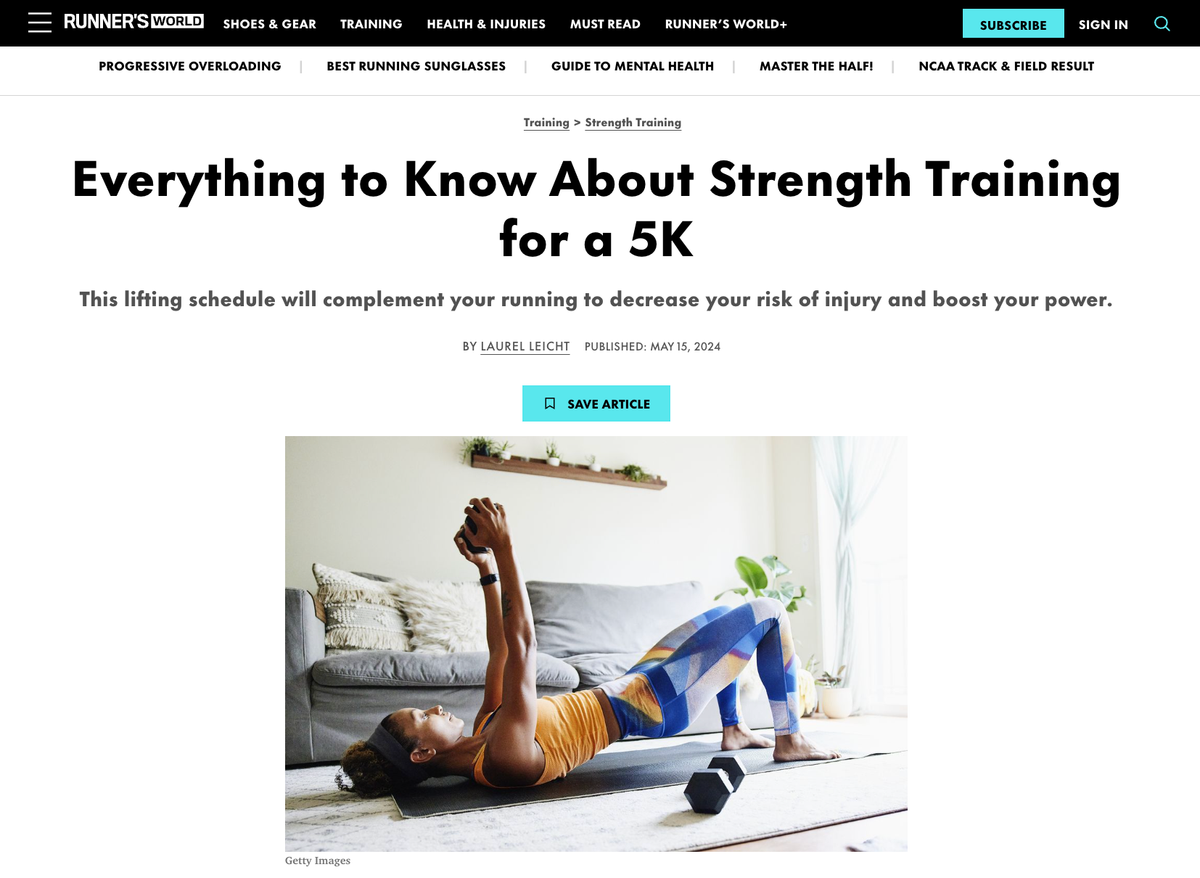
I don’t think people need to follow everything elites do. But I do think that endurance athletes are discouraged from using the big-girl weights and basic compound movements that are both faster and more impactful, in favor of foofier things like “hip abduction plus banded jumping jacks” for 4 sets of 20, or whatever. This is ridiculous. This wheel does not need re-inventing. Listen to the Norwegians. Look at their Viking row thing they do at the World Cup. They are onto something here.
Drink
Meet the people who will never map their runs. I’ll throw in: I don’t map my runs. If I run for any metric, it’s for either a set amount of time, or to complete a route. Be free!
Finally, The Guardian answered the question of why you feel like you have to pee when you are swimming. It has to do with the temperature of the water and your body. This makes me wonder if there is a similar effect at play when I would get dressed to go play in the snow as a kid, and only once I had my seventeen layers on, including bib snowpants, did I have to pee.
Rest
From Texas Monthly, who would know: how to set up a stock tank pool.
I’m a library nerd and I didn’t even know about this: for Los Angeles Public Library’s 100th anniversary, each of the 72 branches are giving out architectural stamps of their buildings on catalog cards. One patron collected them all by bus.
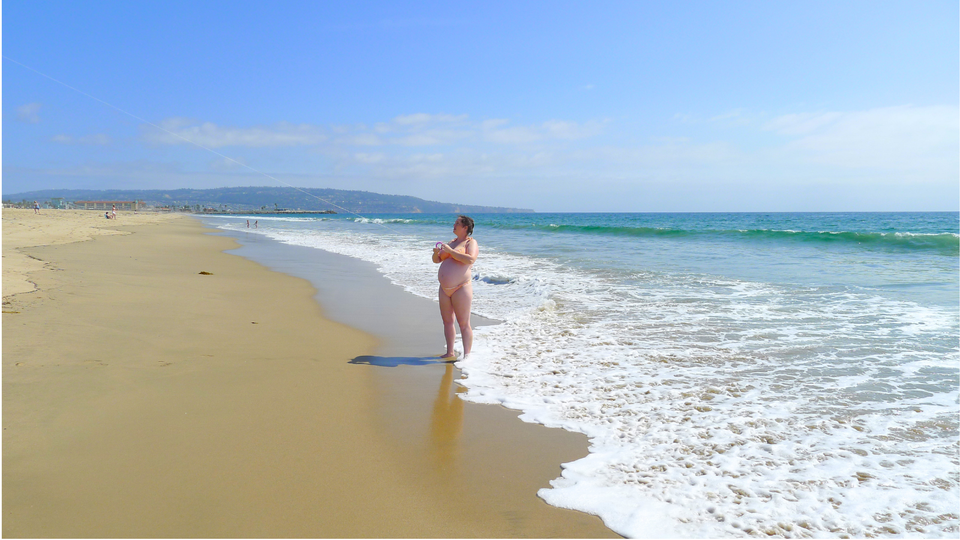
On 500 years of kite-flying. Per the photo at the top of this post, trying to get a kite up in the air in less-than-optimal wind conditions is cardio.
That’s all for this week (and year)! I love you for reading, thank you, let’s go—




Member discussion